How To Pick A Linear Light?
Picking a Linear Light for a project is not only about choosing a clean-looking fixture. For lighting contractors, interior designers, office fit-out teams, hotel project buyers, and lighting distributors, the bigger question is whether the lamp can match the real space: ceiling height, table layout, aisle direction, brightness demand, color temperature, installation method, and long-term visual comfort.
A linear light may look simple in a product photo, but if the length is wrong, the wattage is too strong, or the color temperature does not fit the interior style, the finished space can feel unbalanced. In commercial projects, this may lead to rework, extra installation cost, or client dissatisfaction after handover.
Start With The Space, Not The Fixture
Before choosing a linear light, buyers should first look at where it will be used. A meeting room, retail store, hotel lobby, office workstation, restaurant counter, and corridor do not need the same lighting effect.
A long office table may need a clean pendant line that follows the working area. A retail display may need brighter illumination to highlight products. A hotel or restaurant may need softer light to create a more relaxed atmosphere. If the fixture is selected before the space is reviewed, the lighting may look good as a single lamp but fail to support the room.
This is why project buyers should confirm the room size, ceiling height, working surface, furniture layout, and expected lighting mood before comparing models.
Length And Wattage Should Match The Layout
Linear lighting is closely connected with proportion. If the fixture is too short, the room may look incomplete. If it is too long, it can feel heavy or interfere with ceiling design. The same applies to wattage. Too little power creates dark areas. Too much power can create glare and discomfort.
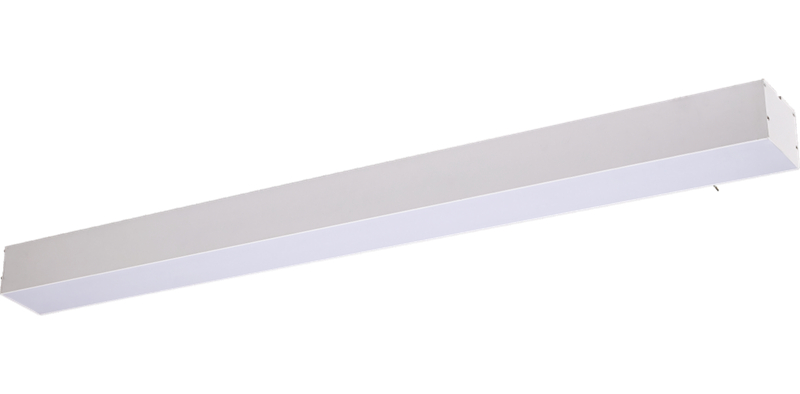
We are RUISHUO, and our Pendant Linear Light offers multiple power and size options, including 15W, 30W, 45W, and 60W, with lengths from 606mm to 2406mm. This gives project buyers more flexibility when matching the lamp to different room scales.
For B2B orders, this matters because one project may include several room types. A smaller office zone may need a shorter fixture, while a larger meeting table or commercial counter may need a longer version. Keeping the same product style while adjusting length and wattage can help the whole project look more consistent.
Color Temperature Changes The Feeling Of The Room
Color temperature is often decided too late, but it can strongly affect the final result. A warm white tone can make hospitality and dining spaces feel more comfortable. A neutral tone may work better for offices, showrooms, and commercial interiors. A cooler white may be used where sharper visibility is needed.
The pendant linear light supports color temperature options from 2700K to 5000K with CRI above 80. For project buyers, this gives more room to match different interior needs without changing the whole fixture style.
A lighting distributor should ask the buyer where the lamp will be used before recommending a color temperature. The wrong tone can make a well-designed space feel too cold, too yellow, or inconsistent with other lamps nearby.
Beam Angle And Glare Need Attention
A linear light should provide useful illumination without making people uncomfortable. Beam angle affects how the light spreads across the surface below. A 120° beam angle can help create wider light distribution, which is useful for offices, dining tables, counters, and general indoor areas.
However, buyers still need to think about installation height and viewing angle. If the lamp is installed too low, users may feel glare. If it is too high, the light may feel weaker on the working surface. In offices, restaurants, and reception areas, comfort is part of the lighting quality.
For contractors, this means mock-up testing is useful before bulk installation. One sample installed at the real height can reveal whether the light feels comfortable in the actual room.
Choose A Style That Can Stay Consistent Across Projects
Many commercial interiors need lighting consistency. A hotel may use linear lights in the lobby, dining area, and meeting space. An office may use them over workstations, counters, and conference tables. A retail chain may need the same lighting language across multiple stores.
A minimalist pendant linear light can support this need because it does not overpower the interior design. The aluminum and plastic structure, white finish, and clean shape make it easier to match with modern commercial interiors.
For project buyers, consistency is valuable. It helps the space look planned instead of assembled from unrelated fixtures. For distributors, it also makes the product easier to recommend across different customer groups.
Conclusion
To pick a linear light, buyers should review the space first: room size, ceiling height, furniture layout, required brightness, color temperature, beam direction, and installation style. The right fixture should not only look modern, but also fit the way the space is used.
For office projects, hotel interiors, retail displays, dining spaces, and commercial fit-outs, a pendant linear light can create a clean and organized lighting effect when the length, wattage, and color temperature are selected properly.
If your project includes several room types or repeated commercial spaces, we can help review the lighting layout before you confirm the order. Share the ceiling height, installation area, preferred brightness, and interior style, and we can help match a linear light option that feels practical for installation and consistent for the final space.