


How To Remove Recessed Spotlights?
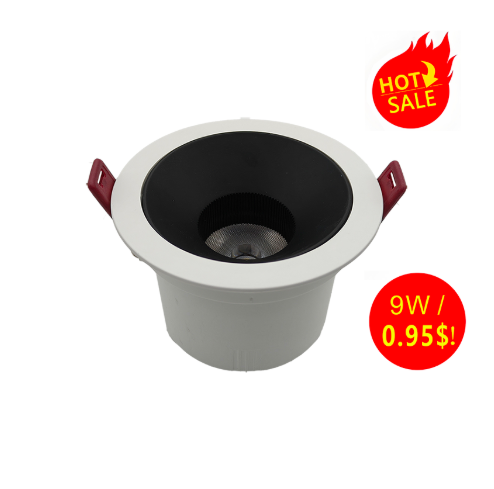
Removing Recessed Spotlights usually starts with a simple idea: switch off the power, let the fixture cool, and release the light from the ceiling carefully without pulling the wiring too hard. In many interiors, recessed spotlights are held in place by spring clips or a trim structure that fits tightly into the cut-out, so the removal process is often more about controlled handling than force. That is why this topic matters not only to homeowners, but also to contractors, electricians, project buyers, maintenance teams, and lighting distributors who deal with replacement, upgrade, or after-sales support. In commercial projects, the question is rarely just how to take the light out. The bigger issue is how to remove it safely, avoid ceiling damage, and replace it with a fitting that is easier to maintain over time. That is where product choice becomes part of the conversation. A recessed spotlight that looks clean in the ceiling but is difficult to service later can increase labor cost, especially in hotels, offices, chain stores, and project-based installations where maintenance speed matters. The recessed adjustable plastic spotlight in our range is relevant here because it is designed for quick and easy installation and also for convenient maintenance access, which helps reduce operational pressure in real projects.
Why Recessed Spotlights Can Be Tricky To Remove
Recessed spotlights are built to sit neatly inside the ceiling, which is exactly why they can feel difficult to remove the first time. Unlike hanging fixtures or exposed surface lights, they do not leave much body visible from the outside. In many cases, only the trim or front ring is accessible, while the retaining clips and driver arrangement stay hidden above the ceiling line. If the installer or maintenance worker pulls too hard from the front without understanding that structure, the trim can bend, the ceiling edge can chip, or the wiring can be stressed.
This becomes a real issue for B-end buyers. Maintenance time affects project cost. If a lighting product is hard to remove, simple replacement work turns into a bigger service task. That is why project suppliers and wholesalers often pay attention not only to beam angle, wattage, or appearance, but also to maintenance convenience. Our recessed spotlight line fits that practical logic because the product description emphasizes quick installation and convenient maintenance access, which is useful for repeat-service environments rather than one-time decorative use only.
How Recessed Spotlights Are Usually Held In Place
Most recessed spotlights stay in the ceiling because of spring clips, trim pressure, or a cut-out fit that keeps the body secure. Once the fixture is seated, the clips press against the back of the ceiling board and hold the product in position. That gives the spotlight its clean embedded look, but it also means the fixture has to be eased out carefully during removal. In practical terms, the safest method is usually to lower one side first, reach for the retaining mechanism, and control the clips as the fitting comes free.
This matters because many users expect the light to twist out like a bulb. In reality, recessed spotlights are usually more integrated than that. Commercial buyers know this matters even more in large projects. A fitting that requires too much force or awkward handling can slow maintenance across dozens or hundreds of units. In chain-store, retail, hospitality, and office projects, that kind of delay adds up fast.
What To Do Before Removing The Light
Before touching the fixture, the power should be switched off and the light should be allowed to cool. This is basic safety, but it is also where many rushed maintenance calls go wrong. Some recessed lights run warm enough that immediate handling is uncomfortable, and any work around ceiling wiring should be done only after the circuit is no longer live.
Once the light is safe to handle, the trim or visible front edge can be checked gently to see how the fixture releases. In some cases, a slight pull downward is enough to expose the clips. In others, the front ring or lamp area has to be handled more carefully so the body can drop just enough for the installer to reach behind it. The key is to avoid sudden pulling. Recessed products are designed to sit securely, so controlled removal is always better than forcing the light out.
Why Maintenance-Friendly Design Matters For Buyers
This is where the topic connects directly with sourcing. A good recessed spotlight should not only install neatly. It should also support easier service later. In many commercial spaces, lighting maintenance happens during operating hours, limited downtime, or scheduled facility work. If removing one spotlight becomes slow or awkward, that affects the whole job.
Our product is useful in this discussion because it combines a recessed embedded format with features that support practical project use. It has a brimless modern look, adjustable beam options, and a driver-on-board structure, while the product page also highlights easy installation and convenient maintenance access. For distributors, contractors, and OEM project buyers, that makes the fixture easier to position in spaces where both appearance and lifecycle service matter. The available wattages of 7W, 9W, 12W, and 15W, along with cut-out options for different sizes, also make the product easier to match with common interior lighting requirements. :contentReference[oaicite:3]{index=3}
What Usually Causes Problems During Removal
Most removal problems come from three things. The first is not knowing how the fixture is secured. The second is pulling the body before controlling the spring clips. The third is trying to work too fast around the ceiling opening. These mistakes can damage the trim, scratch the ceiling edge, or stress the connection above the ceiling. In commercial after-sales work, even small ceiling damage can become a visible issue because the client is not only looking at whether the light works. They are also looking at finish quality after maintenance.
For B-end customers, this is why maintenance access should be part of the buying decision from the beginning. Lighting is not judged only on day one. It is also judged when the first replacement or service call happens. A recessed fitting that supports cleaner removal can help reduce labor complaints and make long-term facility work easier to manage.
Why Recessed Adjustable Spotlights Are Popular In Projects
Recessed spotlights remain popular because they save space, keep the ceiling visually clean, and provide directional lighting for interiors. They are often used in homes, retail environments, offices, corridors, meeting rooms, and display spaces where focused illumination matters. Adjustable versions are especially useful because they allow the light to be aimed toward décor, products, architectural details, or circulation areas without changing the ceiling layout. :contentReference[oaicite:4]{index=4}
That is one reason our recessed adjustable plastic spotlight connects well to this SEO topic. Buyers searching how to remove recessed spotlights are often already in the replacement or comparison stage. They are dealing with existing fixtures and thinking about what to install next. A product that offers a sleek recessed appearance, adjustable angles, flicker-free driver-on-board LED, CRI above 90, and simple maintenance access becomes easier to recommend in that moment because it answers both the visual and practical side of the project. :contentReference[oaicite:5]{index=5}
Why Supplier Support Makes A Difference
A recessed spotlight may look like a simple product, but commercial buyers know the real value often depends on supplier support. Contractors may need help choosing the right cut-out size. Distributors may need stable repeat supply. Project buyers may care about OEM cooperation, finish consistency, and whether the fitting can be maintained without creating headaches later. These concerns are normal in lighting procurement because a product that is easy to specify but difficult to service often leads to avoidable costs.
This is why a supplier should offer more than a product list. It should help buyers match wattage, beam angle, cut-out, and application use more clearly. Our company background on the site also shows long-term LED lighting experience since 2013, a focus on lighting solutions, and OEM collaboration for project needs, which supports this supplier-side positioning for buyers looking beyond a one-time purchase. :contentReference[oaicite:6]{index=6}
Conclusion
So, how do you remove recessed spotlights? In most cases, you switch off the power, allow the fitting to cool, pull the spotlight down carefully, control the spring clips or trim retention, and disconnect it without damaging the ceiling or stressing the wiring. The process is usually simple once the fixture structure is understood, but the real difference comes from using a spotlight that is designed with maintenance in mind.
That is why service-friendly recessed lighting has stronger long-term value in commercial projects. A recessed adjustable spotlight with easy maintenance access can help reduce labor time, support cleaner replacement work, and make facility upkeep more practical across repeated installations. If you are sourcing recessed spotlights for retail, hospitality, office, or project use and want guidance on cut-out size, wattage, beam angle, or OEM supply, contact us. We can help you choose a more suitable recessed spotlight solution for your application and make future maintenance easier from the start.