

What Is The Difference Between Recessed And Normal Spotlights?
Spotlights are used to highlight specific areas, add depth to a space, and create layered lighting that feels more intentional than a single ceiling fixture. The biggest question most buyers face is whether to choose Recessed Spotlights or normal spotlights. In simple terms, recessed spotlights sit inside the ceiling for a clean, flush appearance, while normal spotlights are surface-mounted or track-mounted and remain visible. That difference affects almost everything else: installation method, beam control, glare, maintenance access, ceiling requirements, and how flexible the lighting layout can be over time.
This guide explains the practical differences, where each type performs best, and how to choose based on your ceiling structure and lighting goals. If you want to explore recessed spotlight options and technical configurations, visit the RUISHUO recessed spotlight collection.
Definitions And Core Design Difference
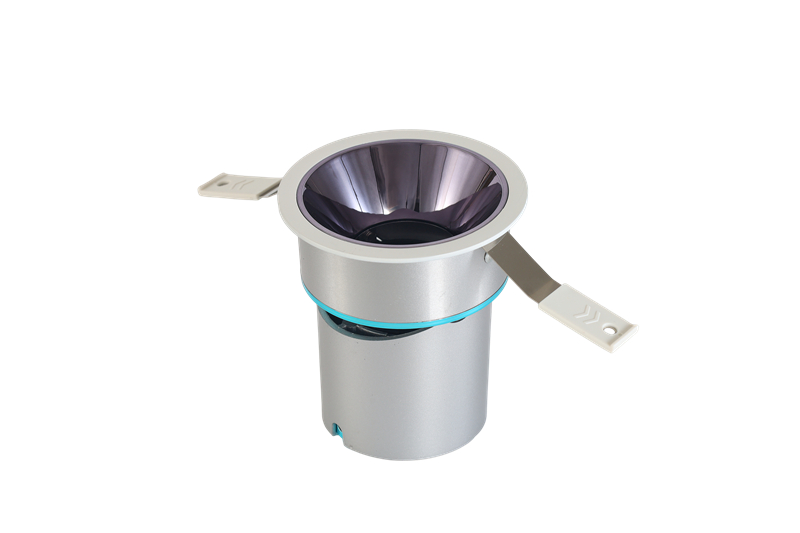
A recessed spotlight is installed into a cutout so the body of the fixture is hidden above the ceiling line. Only the trim and light aperture are visible. This creates a minimal look and is often chosen for modern interiors, hotels, galleries, and projects where clean ceiling lines matter.
A normal spotlight is a visible fixture that mounts on the ceiling surface, wall, or track. The housing and adjustment mechanism remain exposed. This design is widely used when you want directional flexibility, easier installation, or when the ceiling does not have enough depth for recessed installation.
Installation Requirements And Ceiling Conditions
Installation is the most practical divider between these two categories.
Recessed spotlights typically require:
A ceiling cavity or sufficient recess depth
A precise cutout size
Proper clearance for heat management and driver placement
Planning for joists, ducts, and wiring routes
Normal spotlights typically require:
A solid mounting surface and suitable anchors
A junction point for wiring
Less ceiling depth, making them suitable for concrete ceilings or shallow voids
Easier retrofits in finished spaces
If you are renovating and want minimal ceiling work, surface-mounted spotlights can be the simpler route. If you are building new or opening ceilings anyway, recessed spotlights are often easier to integrate cleanly.
Visual Impact And Interior Style
Recessed spotlights are chosen for a quiet ceiling aesthetic. Because the fixture is largely hidden, attention stays on the space and the light effect, not the hardware. This is useful for premium residential interiors and projects where designers want lighting to feel integrated.
Normal spotlights become part of the visual language. They can look architectural, industrial, or intentionally technical. This is a strong fit for retail, studios, cafés, and modern homes where exposed fixtures support the style.
Beam Control, Aiming, And Lighting Flexibility
Both recessed and normal spotlights can deliver focused beams, but they differ in flexibility.
Recessed spotlights:
Offer clean beam delivery with reduced visual clutter
May have fixed or adjustable gimbal designs depending on the model
Typically favor planned layouts where aiming needs are known early
Normal spotlights:
Are highly flexible for re-aiming after installation
Can be repositioned more easily, especially on track systems
Work well for changing displays, rotating artwork, or evolving room layouts
If you expect frequent changes in what you want to highlight, normal spotlights often provide an advantage.
Glare Comfort And Viewing Angles
Glare is one of the most overlooked selection factors. It affects comfort, perceived quality, and how people experience the room.
Recessed spotlights often provide:
Better visual comfort when designed with deeper light sources or anti-glare optics
Reduced direct view of the LED depending on trim design
A cleaner look in low ceilings when you want light without harshness
Normal spotlights can:
Create more noticeable brightness at certain viewing angles
Feel harsher if placed in line-of-sight or aimed too low
Benefit from careful aiming and beam selection to avoid hotspots
For living rooms, corridors, and hospitality spaces where people look upward frequently, glare control should be treated as a primary spec, not an afterthought.
Maintenance Access And Long-Term Service
Recessed fixtures are clean, but service access depends on design. Some recessed spotlights allow easy front access, while others may require additional ceiling access depending on driver placement. Planning for maintenance is important in large projects.
Normal spotlights typically provide:
Easier access to drivers and connectors
Simpler replacement and troubleshooting
Faster on-site servicing in commercial settings
For facilities that prioritize quick maintenance cycles, surface solutions can reduce downtime.
Performance Considerations That Affect Real Results
Choosing between recessed and normal spotlights is also about how the light behaves in the room.
Key performance considerations:
Beam angle selection and spacing, which determine uniformity and highlight intensity
Color quality and consistency, which influence how surfaces and products appear
Dimming compatibility, especially for hospitality and residential comfort
Thermal management, which affects long-term stability
You can achieve excellent performance with either type when the layout is designed correctly. The difference is how much the fixture design and installation environment constrain your options.
Best Use Cases For Each Type
Recessed spotlights are often best when:
You want a minimal ceiling appearance
The ceiling has enough depth for installation
You are designing a clean, premium interior style
You want consistent, planned lighting layers across the room
Normal spotlights are often best when:
You need flexibility to change aiming or layout
The ceiling is concrete or too shallow for recessed cutouts
You want a visible fixture that supports the interior style
You are doing a fast retrofit with minimal ceiling modification
Side-By-Side Comparison Table
| Factor | Recessed Spotlights | Normal Spotlights |
|---|---|---|
| Look | Flush, minimal, integrated | Visible, architectural, expressive |
| Ceiling Requirement | Needs recess depth and cutout | Works on many ceilings, minimal depth |
| Retrofit Difficulty | Often higher | Often lower |
| Aiming Flexibility | Fixed or limited adjustment depending on model | High, especially on track or adjustable heads |
| Glare Control Potential | Often strong with proper optics | Depends heavily on aiming and fixture design |
| Maintenance Access | Varies by driver placement | Usually easier and faster |
| Best For | Premium interiors, hotels, galleries | Retail displays, studios, flexible layouts |
This table is a quick way to match fixture type to project priorities.
How To Choose The Right Option For Your Project
A practical selection method is to decide in this order:
Confirm ceiling structure and available depth
If depth is limited, normal spotlights may be the more realistic choice.Decide whether the ceiling should look quiet or expressive
Recessed for minimal lines, normal for visible design presence.Define whether the layout needs future flexibility
If you expect changes, normal spotlights and track systems are often easier.Prioritize glare comfort based on sight lines
Areas with frequent upward viewing benefit from strong glare control strategies.Verify dimming and driver planning early
Dimming quality affects perceived premium feel more than many buyers expect.
Conclusion
The difference between recessed and normal spotlights comes down to where the fixture body sits and what that means for your project. Recessed spotlights deliver a clean, integrated ceiling look and are ideal when you have enough ceiling depth and want lighting to feel invisible. Normal spotlights stay visible and typically offer easier installation, easier servicing, and greater flexibility for aiming and layout changes. The best choice is the one that matches your ceiling conditions, style direction, and how often you expect the space to change.
To review recessed spotlight designs and specification options, browse the RUISHUO recessed spotlight collection. If you want support with cutout planning, beam selection, spacing, or dimming compatibility, contact RUISHUO for guidance. We can help you align fixture choices with your project goals and provide practical recommendations for a smoother installation.
Previous: