


How To Add A Ceiling Light?
Adding a Ceiling Light is one of the most effective upgrades for improving a room’s brightness, comfort, and overall appearance. It can also solve practical problems like dark corners, uneven task lighting, or outdated fixtures. That said, ceiling-light installation involves household electrical wiring, so planning and safety matter as much as choosing a design you like.
This guide explains how ceiling lights are typically added, what you should check before starting, common installation paths, and how to avoid issues that cause flicker, loose fixtures, or unreliable switching. To explore ceiling light styles and specifications, visit RUISHUO ceiling lights.
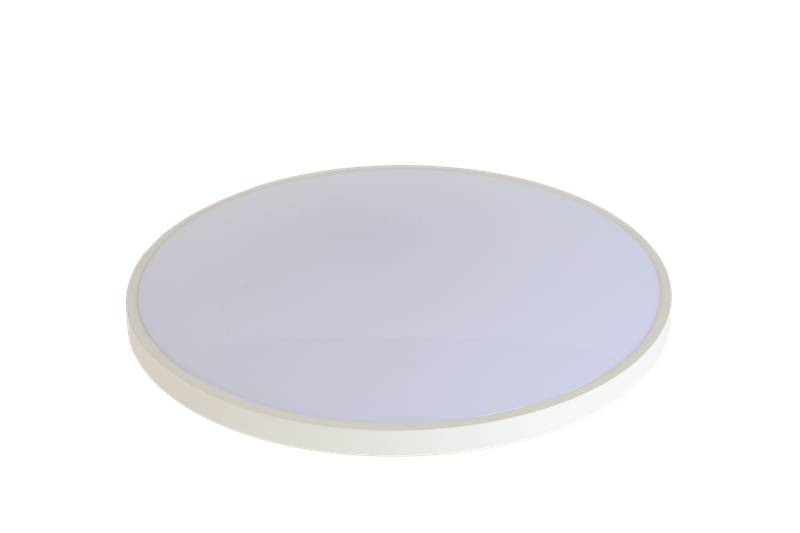
Understand Your Installation Goal
Before you touch tools, clarify what you are trying to add. The steps and complexity change depending on the scenario.
Common projects include:
Replacing an existing ceiling fixture with a new one
Adding a new ceiling light to a room that already has a switch but no overhead fixture
Adding a ceiling light controlled by a new wall switch
Adding a second ceiling light to improve coverage in a larger room
A simple replacement is usually straightforward. Adding a brand-new ceiling point often requires running cable, creating a secure mounting location, and ensuring code-compliant protection and grounding.
Safety And Code Considerations
ceiling lights connect to mains voltage. If you are not experienced with electrical work, use a licensed electrician. Even for experienced installers, follow local electrical codes and permit requirements.
Key safety rules:
Turn power off at the breaker, not only at the wall switch
Verify power is off using a proper tester
Use approved junction boxes and connectors
Ensure grounding is present and properly connected
Do not overload existing circuits
Do not bury splices outside an accessible junction box
If anything about your wiring is unclear, stop and consult a qualified professional.
Plan The Location And Light Coverage
A good ceiling-light placement is not only about the visual center of the room. It is about where you need usable light.
Practical planning checks:
Ceiling structure: joists, concrete slab, suspended ceiling, or plaster
Mounting point: must support fixture weight and remain secure
Room zones: entry, seating, work surfaces, or circulation paths
Glare control: avoid placing bright fixtures directly above screens or where people look up often
Ceiling height: affects beam spread and brightness perception
If the room is large, two smaller ceiling lights can be more comfortable than one very bright central fixture.
Choose The Right Ceiling Light Type
Ceiling lights generally fall into a few main types, each with different installation needs.
Common options:
Flush mount: compact, good for standard ceiling heights
Semi-flush: slightly lower profile, often better light distribution
Surface-mounted LED: efficient and slim, common for modern interiors
Decorative ceiling fixture: may require extra support and careful leveling
When selecting a light, confirm:
Voltage compatibility
Dimming requirements and dimmer compatibility
Moisture rating if used in bathrooms or semi-outdoor areas
Driver location and ventilation needs for LED fixtures
Tools And Materials Typically Required
The exact tools depend on your ceiling and wiring, but these are common:
Screwdrivers, drill, and appropriate bits
Wire stripper and approved connectors
Voltage tester
Junction box and mounting bracket if not already present
Anchors rated for your ceiling material when needed
Ladder and protective eyewear
If you are adding a new ceiling point, planning for cable routing and switch configuration is just as important as the fixture itself.
Common Installation Paths
Replacing An Existing Ceiling Light
This is usually the simplest case because the junction box, wiring, and switch loop already exist.
Typical workflow:
Turn off breaker power and verify the circuit is dead
Remove the existing fixture and inspect wiring condition
Confirm the junction box is secure and properly rated
Connect the new fixture according to its wiring diagram
Secure the mounting bracket and fixture body
Restore power and test switching, dimming, and stability
If the wiring is brittle, discolored, or damaged, replacement of conductors or box components may be required.
Adding A Ceiling Light Where No Fixture Exists
This is more complex because the ceiling needs a junction box and the circuit needs a safe, code-compliant feed and control path.
Typical decisions you must make:
Where the power source will come from
Whether the light will be controlled by an existing switch or a new switch
How wiring will be routed through ceiling cavities or conduit
How the junction box will be anchored to structure
In many homes, the cleanest solution is to take power from an existing lighting circuit and run a new cable to the new ceiling junction box, then connect control through a wall switch. The correct approach depends on local code and the existing wiring topology.
Adding A Ceiling Light Controlled By A New Switch
Adding a switch often involves more wall work and careful planning:
Choosing switch location and box type
Routing cable to the ceiling point
Confirming line, load, and neutral wiring requirements
Ensuring grounding continuity
Because incorrect switching configurations can create safety risks or future troubleshooting problems, this is a common scenario where professional installation is recommended.
Wiring And Connection Principles
While exact conductor colors and configurations vary by region and property age, the core principles are consistent:
Line and neutral must be correctly identified
Ground must be connected to the fixture and box when required
Connections must be made with approved connectors and enclosed in an accessible junction box
LED drivers may require specific wiring and spacing for heat management
Never guess wire function based on color alone. Testing and verification are essential.
Common Problems After Installation And How To Avoid Them
Most post-install issues come from mounting stability, wiring errors, or compatibility mismatches.
Frequent issues:
Flicker: incompatible dimmer, loose connection, or driver mismatch
Light does not turn on: incorrect switch loop wiring or a missed neutral
Fixture wobbles: junction box not secure or bracket not tightened evenly
Buzzing: dimmer compatibility or driver quality and loading conditions
Overheating: poor ventilation around the driver or fixture body
A good practice is to test the fixture before fully closing covers, then re-check after the fixture has been on for 15–30 minutes.
Quick Selection Guide For Ceiling Light Specs
| Room Area | Practical Priority | Suggested Ceiling Light Focus |
|---|---|---|
| Bedroom | Comfortable, low-glare | Diffused lens, warm-to-neutral tone options |
| Living Room | Balanced ambient coverage | Wider distribution, dimming compatibility |
| Kitchen | Clear visibility on surfaces | Higher brightness, good color rendering |
| Hallway | Uniform path lighting | Even spread, low profile |
| Bathroom | Moisture safety | Suitable rating, sealed construction where needed |
Matching fixture design to room function reduces complaints about glare, shadows, and uneven brightness.
When To Use A Licensed Electrician
Use a professional if:
You are adding a new circuit or new switch wiring
Your home has aluminum wiring or aging insulation
You see signs of overheating, melted insulation, or damaged conductors
The ceiling is concrete and requires conduit planning
You are unsure how to identify line, load, neutral, and ground safely
For many projects, professional installation saves time and reduces risk, especially when walls or ceilings must be opened.
Conclusion
Adding a ceiling light can be a straightforward upgrade when replacing an existing fixture, but it becomes a more technical electrical project when you are adding a new ceiling point or a new switch. The best results come from planning the location, choosing a ceiling light type that matches the room’s needs, and ensuring secure mounting and code-compliant wiring. If there is any uncertainty around wiring identification or circuit capacity, professional installation is the safest path.
To review ceiling light styles and configuration options, browse RUISHUO ceiling lights. If you share your room size, ceiling type, and the lighting goal, RUISHUO can help recommend suitable models and provide guidance on selection and application planning for your project.