


How To Install Recessed Ceiling Spotlights?
Installing recessed ceiling spotlights is a common solution for modern interiors because it delivers clean ceiling lines, controlled beam direction, and flexible lighting layouts. A correct installation depends on planning the layout, matching the cutout size, ensuring safe wiring, and securing the fixture properly in the ceiling.
This guide explains a standard installation process used by contractors and homeowners, with notes that help you avoid the most common problems such as flicker, uneven spacing, and loose mounting. For product selection and project sourcing, Eversun Lighting provides multiple options through its recessed spotlight range.
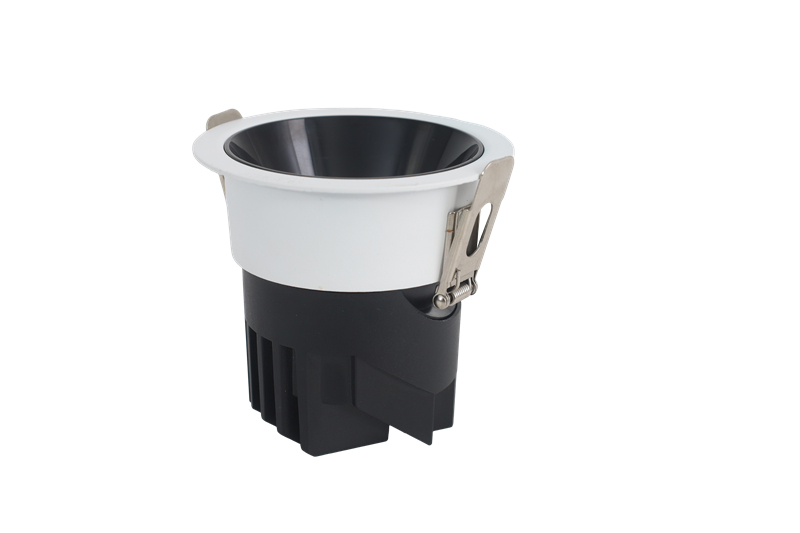
1. Plan the Lighting Layout Before Cutting Any Holes
Recessed Spotlights work best when spacing and beam angles match the room function. Before installation, define the goal of each lighting zone:
General lighting for overall brightness
Task lighting for counters, desks, or worktops
Accent lighting for walls, artwork, or displays
Key layout checks that reduce rework:
Confirm ceiling structure and available void depth
Locate joists, pipes, HVAC ducts, and other obstructions
Decide whether you need fixed or adjustable spotlights for aiming
If the room uses multiple lighting layers, plan spotlight positions to avoid overlapping glare and to keep brightness consistent across the space.
2. Choose the Right recessed spotlight Specification
Even with a correct layout, performance depends on fixture selection. When choosing recessed ceiling spotlights, buyers usually confirm:
Cutout size compatibility with the ceiling thickness and hole diameter
Required brightness output for the room size and application
Beam angle for the target area and ceiling height
Color temperature requirements for the environment
Dimming method and driver compatibility if dimming is needed
Eversun Lighting offers recessed models suitable for residential and commercial settings, including options that support consistent installation standards across multi-room projects. You can review available types on the recessed spotlight page.
3. Prepare Tools, Safety Steps, and Access
Installation should start with safety and correct tools. Typical items include:
Voltage tester and insulated screwdriver
Hole saw or drywall circle cutter matched to the cutout size
Measuring tape, pencil, and level
Wire strippers, connectors, and junction box if required
Ladder and protective eyewear
Safety requirements:
Turn off power at the breaker, not only the wall switch
Verify the circuit is off using a tester
Confirm cable rating and grounding requirements for your region
4. Mark the Positions and Cut the Ceiling Openings
Accurate marking reduces visible layout errors after installation. A practical method is:
Mark the center point of each spotlight position
Double-check spacing symmetry relative to walls and furniture
Confirm the hole will not intersect joists or hidden services
Cutting guidance:
Use the correct hole saw size for the fixture cutout specification
Cut slowly to reduce ceiling tear-out
Keep the cutout clean so spring clips seat evenly
If the ceiling material is fragile or painted, controlled cutting prevents chipping around the trim.
5. Run Wiring and Position the Driver or Connection Point
The wiring approach depends on the fixture design and local code. Many recessed LED spotlights use:
A remote driver with quick connectors
An integrated driver inside the fixture body
A junction box connection for direct wiring
Good wiring practice for stable performance:
Use correct conductor size and heat-rated cable where required
Keep connections inside an approved junction/driver box
Secure cables so they do not rest on sharp edges or moving parts
Allow service access to drivers if future maintenance is expected
For multiple fixtures in one circuit, keep wiring routing consistent to simplify troubleshooting later.
6. Connect the Fixture and Test Before Final Mounting
Before pushing the spotlight into the ceiling:
Make the electrical connection using the connector system or terminal block
Ensure grounding is properly connected if required
Confirm polarity and connection tightness
Switch power on briefly to test for stable output
If dimming is involved, confirm the dimmer type matches the driver and check for:
Flicker at low levels
Noise from the driver
Uneven dimming between fixtures
Testing before final mounting saves time because you can correct wiring or driver issues while access is easy.
7. Secure the recessed spotlight in the Ceiling Cutout
Most recessed ceiling spotlights use spring clips or torsion springs. A standard installation approach:
Hold the fixture body and compress the springs upward
Insert the fixture into the cutout straight and evenly
Release the springs gradually to clamp onto the ceiling board
Confirm the trim sits flush without gaps
If the trim does not sit flush, typical causes include:
Cutout diameter slightly undersized
Ceiling board thickness outside the fixture clamp range
Cable obstruction preventing full insertion
A flush fit is important for appearance and to avoid vibration or rattling.
8. Final Checks After Installation
After all fixtures are installed, verify the system performance:
All spotlights turn on consistently with no delay
Brightness is uniform across the layout
No visible flicker during operation
Fixture trims sit evenly and do not rotate freely
Heat is not excessive after normal runtime
If the fixtures are adjustable, aim them after confirming the final furniture placement to reduce glare and optimize the beam position.
Quick Reference Table: Common Installation Decisions
| Installation Item | What to Confirm | Why It Matters |
|---|---|---|
| Cutout size | Matches fixture specification | Ensures stable spring clamping and clean trim fit |
| Ceiling depth | Adequate clearance for body/driver | Prevents forced mounting and cable damage |
| Beam angle | Fits ceiling height and target area | Avoids dark zones and reduces over-lighting |
| Dimming system | Dimmer and driver compatibility | Prevents flicker and uneven dimming |
| Connection method | Approved junction/connector approach | Improves safety and serviceability |
Why Buyers Choose Eversun Lighting Recessed Spotlights for Projects
For projects that need consistent quality and stable supply, buyers typically focus on product range completeness and installation reliability. Eversun Lighting provides recessed spotlight options designed for common ceiling cutout standards and professional installation workflows, supporting both small residential upgrades and larger commercial fit-outs. Explore the recessed spotlight range to compare specifications and select models suited to your ceiling type and lighting plan.
Conclusion
Installing recessed ceiling spotlights requires correct planning, precise cutouts, safe wiring, and proper spring mounting to achieve a flush finish and stable lighting performance. The most important steps are layout planning, compatibility checks for cutout and depth, and electrical testing before final mounting. When sourcing fixtures for new builds or retrofit projects, Eversun Lighting offers practical recessed solutions through its recessed spotlight range to support consistent installation and long-term use.