


How To Remove Recessed Spotlights Safely And Correctly?
Removing Recessed Spotlights is a common task during lighting upgrades, maintenance, or ceiling renovations. While the process is straightforward, it must be done carefully to avoid damage to the ceiling, wiring, or the fixture itself. This guide explains how recessed spotlights are typically installed, how to remove different mounting types, and what to check before replacing or upgrading the light.
For projects involving replacement or retrofit, Eversun Lighting offers a full range of recessed solutions through its recessed spotlight lineup.
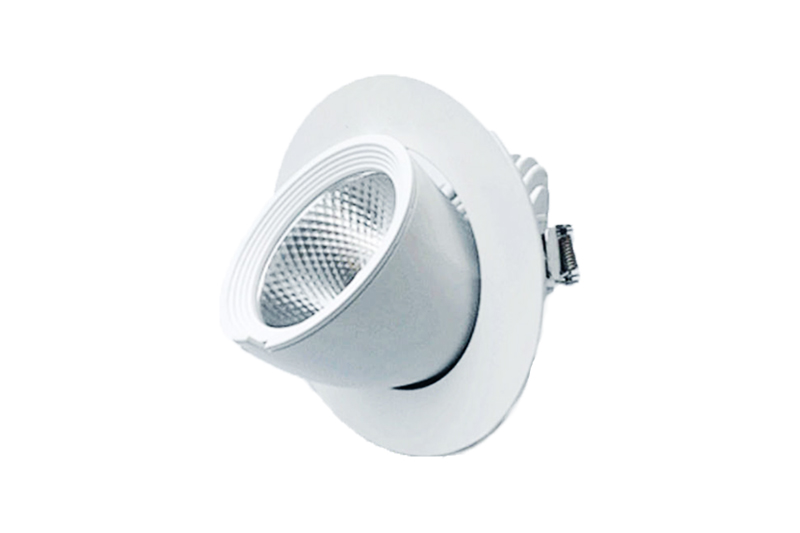
Understand the Structure of a recessed spotlight
Before removal, it is important to know how recessed spotlights are held in place. Most recessed spotlights consist of three main parts:
The trim or visible front ring
The light body, which may include the LED module or lamp holder
The mounting system, usually spring clips or torsion springs connected to the ceiling cutout
Unlike surface-mounted lights, recessed spotlights rely on ceiling tension rather than screws exposed from the front. This affects how they must be removed.
Safety Preparation Before Removal
Electrical safety and ceiling protection should be addressed first.
Power isolation
Switch off the circuit at the breaker, not just the wall switch. This prevents accidental contact with live wiring when disconnecting the fixture.
Ceiling protection
Use a stable ladder and protect the ceiling surface. Painted or plaster ceilings can chip if the trim is pulled out unevenly.
Tool preparation
In most cases, no special tools are required. A small flat screwdriver may help with trims or connectors, but force should be minimal.
Removing Recessed Spotlights With Spring Clips
Spring clips are the most common mounting method for recessed LED spotlights.
Step-by-step removal
Gently grip the trim edge with your fingers and pull straight down
Apply even pressure around the trim to release the springs gradually
Once the fixture drops slightly, support it with one hand
Compress the spring clips inward to release them from the ceiling
The fixture should come free without twisting or bending. Excessive force can damage the spring arms or the ceiling cutout.
Removing Recessed Spotlights With Torsion Springs
Some recessed spotlights use torsion springs attached to brackets inside the ceiling.
Removal approach
Pull the fixture down until resistance is felt
Identify the torsion spring ends hooked into the mounting bracket
Carefully unhook each spring while supporting the fixture
Lower the spotlight fully once both springs are released
This method requires controlled handling because torsion springs store tension and can snap back if released suddenly.
Disconnecting the Electrical Connection
Once the spotlight is free from the ceiling, the electrical connection can be addressed.
Common connection types
Plug-and-play connectors used in many LED recessed spotlights
Terminal blocks for hardwired installations
Quick connectors integrated into LED drivers
Disconnect the wiring by releasing the connector rather than pulling on the cable. If a separate driver is installed above the ceiling, it may need to be accessed and disconnected as well.
What to Check After Removing the Spotlight
Removing a recessed spotlight is often part of a replacement or upgrade. Before installing a new fixture, several checks help ensure compatibility.
Ceiling cutout size
Measure the hole diameter to confirm it matches the new spotlight specification. Many modern recessed spotlights are designed to fit standard cutout sizes.
Wiring condition
Inspect the cable insulation and connectors. Any heat damage or loose connections should be addressed before installing a new light.
Mounting clearance
Confirm that there is sufficient depth above the ceiling for the replacement spotlight and driver. Slim-profile recessed spotlights reduce clearance constraints.
Common Mistakes to Avoid During Removal
Pulling at an angle, which can crack plaster or deform the trim
Using tools to pry aggressively against the ceiling surface
Forgetting to isolate power before handling the wiring
Letting the fixture hang by the cable, which stresses the connection
Correct removal relies on controlled, even force rather than speed.
Replacing With Modern Recessed Spotlights
Many removals are done to upgrade to newer LED recessed spotlights with improved efficiency, glare control, and lifespan. Modern designs often feature:
Integrated LED modules
Tool-free spring mounting
Reduced depth for tight ceiling spaces
Stable light output over long operating periods
Eversun Lighting designs recessed fixtures that simplify installation and replacement while maintaining consistent optical performance. Buyers can review available options in the recessed spotlight range when planning upgrades or new projects.
Typical Removal Scenarios and Considerations
| Scenario | Key Focus | Recommendation |
|---|---|---|
| LED upgrade | Cutout compatibility | Match hole size and mounting method |
| Ceiling repainting | Fixture protection | Remove trim carefully to avoid paint damage |
| Faulty light replacement | Wiring inspection | Check connectors and driver condition |
| Commercial retrofit | Speed and consistency | Use fixtures with standardized spring systems |
This table helps align removal steps with the project goal.
Conclusion
Removing recessed spotlights is a controlled process that involves releasing spring-mounted fixtures, disconnecting electrical connections safely, and protecting the ceiling surface. Understanding the mounting system and using even pressure prevents damage and simplifies reinstallation. For replacement projects, verifying cutout size, wiring condition, and clearance ensures a smooth upgrade.
When selecting new fixtures after removal, Eversun Lighting provides practical recessed solutions through its recessed spotlight range, supporting both residential and commercial lighting applications.